As we all know, fuel is what makes any vehicle run; whether it’s gas-powered, uses diesel, or is the newer breed of electric vehicles like Tesla or Rivian, fuel in the form of petrol, gasoline, diesel, or electricity is what makes the vehicle move and operate. With electric cars, the equation is easy and simple: a battery powers the motor that drives the vehicle. There are much fewer moving parts, and there is no loss of power, and the power delivery itself is instantaneous. But that is where the benefits end and where gasoline-powered vehicles come right back up. Gasoline is simply more convenient, and for those of us who think of vehicles as more than just objects to get us from point A to point B, gasoline-powered vehicles are simply better.
However, gasoline-powered vehicles have their own issues when it comes to fuel; one common thing that all vehicle owners have to go through is fuel system cleanings. This is exactly what we will be discussing in this blog post: fuel system cleanings, what they entail and what they are all about. From the major parts of the fuel delivery system to the process of cleaning itself and why it is necessary, this is everything you need to know about fuel system cleaning.
Lets start by understanding what the fuel system is what constitutes this particularly important system of the vehicle.
Fuel System: What it Constitutes
As the name suggests, fuel system is the delivery system that supplies fuel to the engine from the fuel tank. As a crucial system of the vehicle, it is imperative that drivers and owners understand what the fuel system is all about and what it includes.
In any normal gasoline-powered car, this is what the parts of the fuel system usually are;
- Gas Tank: The tank that holds the gasoline, diesel or any other fuel the vehicle may use. Usually located on the underside of the vehicle at the rear.
- Fuel Lines: As the names suggests, fuel lines are responsible for carrying fuel from the fuel tank to the engine.
- Fuel Filters: Filters that are put in place to ensure no dirt, grit or pollutants that may be in the fuel lines, or the fuel itself, may get to the internal engine or its hard-to-reach parts.
- Fuel Pumps: Fuel pumps are what pump, or push the fuel from the filters and the fuel lines to the engine itself, allowing the engine to receive a consistent supply of gasoline or diesel.
- Fuel Injectors: Modern vehicles all use fuel injections, and these are essentially tiny nozzles that disperse fuel into the cylinders in the form of a very fine spray. The previous iteration of fuel delivery systems were carburettors.
- Spark Plugs: Spark plugs are what make the reaction happen: they ignite the fuel and provide the explosion that moves the pistons, drives the crankshaft and moves the car.
Why Does A Fuel System Need Cleaning?
That is a good question. Fuel is what runs the vehicle, and ironically enough, it is also what causes the fuel system of a vehicle to essentially necessitate a cleaning process after a certain time has elapsed. You see, fuel isn’t pure or clean to the maximum. All fuel, no matter which manufacturer or gas station you regularly go to has some level of debris, dirt or pollutants in it. These might not be enough to affect your fuel system the first time you use it, but they are enough that over time, after you’ve driven, fuelled and refuelled the car a considerable amount of times, then this dirt, debris and pollutants get lodged into all corners of the fuel system; from the tank, to the lines to the injectors and so on. This, over time, requires a fuel system cleaning, and necessitates that a professional service be used to ensure the best results.
What If The Fuel System Isn’t Serviced?
Fuel system service and cleaning is imperative and crucial for the proper functioning of the system itself and to ensure that your car is performing well and efficiently. Over time, the injectors may get jammed with debris, the fuel lines may get choked with the dirt and the fuel filters may be overwhelmed with pollutants. All of this not only affects the performance of the vehicle, but may also affect the efficiency of the vehicle’s engine, as it will have to use more fuel and will deliver lethargic performance. This is why fuel system cleaning is crucial; without it, you can say goodbye to your fuel efficiency, to the performance of the car, and in extreme cases, to the overall health and efficacy of the engine as well.
How To Tell If You Need A Fuel System Flush?
You might think that a fuel system flush is unnecessary and a waste of time, but trust us, it’s not. Fuel system flushes are part of what is called ‘essential preventative maintenance’, which means that rather than getting debris or dirt lodged within the fuel pump and getting stranded while on a road trip with no mechanical help available, you do it beforehand and save yourselves a heap of trouble.
If you notice any one of these problems with your vehicle, it might be time to bring your car in for a fuel system flush,
- Sputtering engine
- Reduced fuel efficiency
- Reduced engine performance
- Decreased acceleration
- Engine ‘hiccups’
- Stalling engine
How is A Fuel System Cleaned?
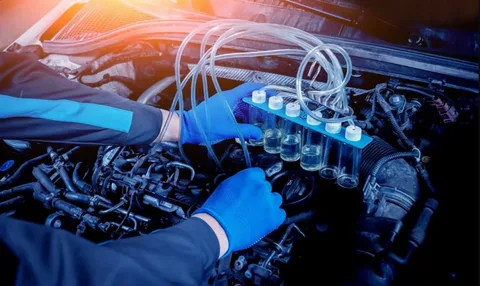
Fuel system cleaning is usually divided into three separate processes, all of which target different parts of the system but ensure that all pollutants and debris is rinsed and cleaned out of the entire system. What garages and mechanics utilise is a cleaning additive, which is mixed in with fuel, and fed into the tank.
- In the first step, the fuel-cleaning additive is mixed with regular gas and fed to the gas tank. With the engine running, the additive cleans out the gas tank, the fuel lines, the fuel pump and the injectors by burning off the additive and the debris or pollutants.
- In the second step, another additive is added directly to the running engine, which helps clean the combustion chamber, cylinders and other internals of the engine, removing carbon deposits, pollutants and gunk from the engine and other parts which would be otherwise hard to reach with a hand.
- The third part is the hand-cleaning, which involves a mechanic hand-cleaning the air intake with a brush and a separate cleaner. This removes the dirt and debris from the intake, ensuring that the air flow is not affected by the buildup, and the engine continues to operate efficiently.
Magnum Autoclub: Experts In Fuel System Cleaning!
If you experience or notice such problems with your vehicle and its fuel system despite having a full gas tank, it might be time to book your exemplary fuel system flush service with Magnum Autoclub in Vaughan. We’ll renew the entire fuel system and give your car the Magnum Autoclub treatment, after which you’ll feel the difference. Not doing so might lead to further issues developing within the vehicle’s fuel system, including the fuel pump, injectors, or carburettor, which could land you a hefty repair bill.