
Winters can get pretty rough in places like Canada, and if you think that parking your car in a garage during the extreme months of cold and snow saves it from the adverse effects of the snow and the harsh weather, you’re partially right. While parking your car overnight in a dry place does prevent the body from rusting quickly and the chassis from rusting as well, there are still some effects that you can see from the winter conditions on different parts of your car. One of the components of your car that stays in contact with the roads at all times and probably is the recipient of the worst effects of winter is your rims or your wheels.
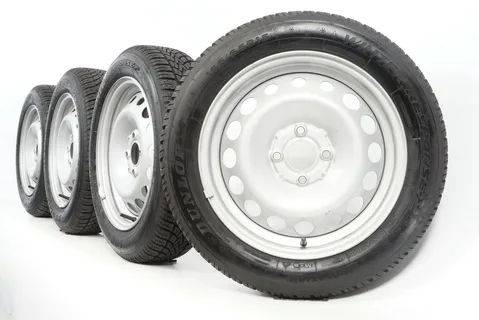
Depending on the configuration of your vehicle and whether you have alloy wheels or steel rims on your vehicle, given the snow that comes in contact with the wheels, the tires, and the rims, this can be really concerning for the integrity of the rims. This is why, in this blog post, we will look at the actual impact of winter conditions on your rims and what you can do to ensure the winter doesn’t get to your rims too badly.
But first, to ease understanding of the topic, we shall quickly discuss how winter can impact your tires and rims.
How can winter impact your tires and rims?
Harsh winters are already very dangerous for people in general; add vehicles to the context, and suddenly, the risk is tenfold. Especially with snowfall, your car loses its traction and grip on the road, and for that reason alone, you might have seen accidents and even low-speed impacts when it’s snowy outside. Similarly, hitting a patch of black ice on the road can be even more dangerous, as this half-form of ice can make you lose control of the vehicle immediately, causing it to slip and slide on the road, presenting a danger to yourself and the other motorists.
To deal with the buildup of snow on the road, the roads are sprinkled with salt to help with the melting of the snow. As you may know, salt is a corrosive agent, especially when it comes to metal and alloys, and this is essentially what is a threat to your tires and rims. With winters, the rubber compound used to make tires contracts and expands consistently, which can seriously reduce its structural integrity, which is why it is usually suggested that winter tires be used for such extreme temperatures. However, since you cannot swap out your rims or your alloy wheels, here is what can be done to avoid the corrosion of your alloy wheels and rims or the negative effects the salt on the road can have on the structural integrity of the wheels and rims.
Negating the effects of winter on your rims
By following these steps, you can ensure that whatever is done to the road during winter for the purposes of dealing with the snow and the ice, the negative effects don’t get to your vehicle, especially the tires and the rims. Especially for the rims; while you have the option of swapping out your tires for winter tires and calling it a day, no such option exists for rims, and the repeated contact of your rims with salt can be really dangerous and can cause it be corroded and worn down over time.
Invest in high-quality wheels
While most drivers tend to keep the car with the same factory wheels, there are many options for better wheels out there, which offer a striking cosmetic look as well as much more resilience to environmental factors that your car may experience. In this case, while we’re not suggesting you trick out your car in an ostentatious manner, these wheel upgrades can go a long way in offering some resilience to your vehicle, especially if you live in a place like Canada, where snow and ice are the plain realities of the harsh winter, and to adapt in a manner that saves you from headache down the road, its better to upgrade your wheels.
Regular cleaning and maintenance
Regular maintenance is your vehicle’s best friend, and proper maintenance can go a long way in keeping your car in excellent condition. The same goes for tires and wheels; since they are always in contact with the road and, in the case of winters, with ice, grime, and salt, they go through the most and require the most maintenance. And it’s not like the maintenance is some process that you have to carry out every time you drive; no, it is a simple cleaning, like a wipe down with a cloth every time you wash your car. By regularly cleaning your wheels and concentrating on the back and inner edges of the wheels where the salt and slush can accumulate, you can do wonders for your wheels. However, using corrosive and strong cleaning materials may defeat the purpose, affecting the wheel on its own.
Thorough drying is key
Once you’ve washed your wheels, don’t let them be. Drying, especially in winter, is a process that isn’t as quick as, say, during the summer. Drying your alloy wheels or your steel rims is equally imperative in ensuring that the dirt, grime, and water don’t accumulate within the crevices of the wheel, where they might contribute to the rust and the structural degradation of the wheel. This means that thorough drying is the key to keeping your wheels not only clean but also keep them from being affected by the presence of salt and snow on the roads.
Avoid high-pressure cleaners
With steel rims and alloy wheels, there is a tendency for both people and professionals to use high-pressure cleaners for the sake of cleaning out grime and dirt and, obviously, salt deposits. However, you should understand that consistent use of high-pressure cleaners can be dangerous for wheels, especially if you are trying to clean off dirt, grime, and salt. It can be too harsh for the alloy wheels and actually will do more damage since it can force the salt, grime, and debris into more small crevices, which can actually help the corrosion process, not to mention the water that can accumulate within the crevice, contributing to rusting and corrosion. Try to use a gentle hand and a soft cloth to clean the tires and the rims or the wheels, and not a fountain of water that ends up damaging the wheel even more.
Magnum Autoclub: tire maintenance made simple!
Magnum Autoclub provides excellent tire maintenance services that ensure optimal performance throughout the year. Whether it’s tire changing, tire maintenance or tire rotation, we make sure your wheels get the best service and treatment so you, your car, and the traffic are safe from any mishaps and you enjoy the full performance of your tires. Whether it’s hard acceleration or hard braking, tires under Magnum’s care won’t ever give up on you, and that’s the Magnum guarantee.