
For both the driving enthusiasts and the people who like to drive safely and with consideration for other motorists on the road, there is only one thing common among them: their propensity to take really good care of their vehicle, regardless of the make and the model. In places where winter settles in with a bang (we mean snow, ice and harsh conditions), tires become a nuisance, especially when you still have the summer tires on, and with black ice, or even just a bit of snow becomes a menace as you cant get any grip or traction. In this blog post, considering that the winter season is almost upon us, we will talk about when it might be prudent to change your current rubbers to winter tires to help you cope with whatever this season might bring in terms of driving challenges.
From making the basic distinction between summer tires and winter tires to understanding how driving dynamics change during winters without snow, ice or even rain, this blog post will guide you through everything you need to know about prepping your car for the upcoming season change. Here is when to change to winter tires.
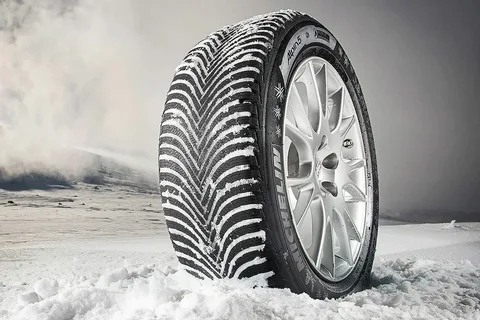
Winter Tires: The Basics
Given that tires undergo a lot of stress and weight transfer whenever you drive, its important to not just keep the tires up to date and well in condition, but to also change them or switch them out depending on the weather. Weather can have a very considerable effect on not just the road conditions but will also effect the driving conditions as well as how your vehicle responds to both the input from the driver as well as the grip and traction it gets from the surface you are driving on.
For starters, winter tires obviously perform better during the colder climates, and much of that is down to the fact that winter tires use different compounds in making the tire. This compound stays flexible and does not harden up during extreme winters, so the vehicle stays in your control and does not behave erratically upon startup and even during continued operation. Furthermore, if you buy winter tires, you will notice that the tread pattern on those tires is different from other tires or summer tires; it will have deeper grooves and tread patterns. This is done to ensure that the snow, water and black ice that the tire may encounter does not stick to the surface of the tire and lower the grip performance of the tire. Instead, with deeper grooves the ice is supposed to go through the indentations and pass right on, without any issue.
Winter tires also provide greater traction and grip control in ice and winter, and that is down to their manufacturing process. Even if the weather is dry and the roads are dry as well, the tires will still perform well in providing you with exceptional control and grip. All in all, winter tires are a must-have for places where winters might get harsh and your transit relies exclusively on driving your vehicle to and from places.
Changing to Winter Tires: When To Do It?
Winter tires, as the name implies, are to be used in the winter season only. If you persist on driving during the summers with winter tires on, all you are going to do is wear them out much quicker, and then, you will have to buy new tires when the next winter rolls around. Which is why, it is very important for you to understand and know when to switch your tires with winter tires, or summer tires for that matter. Because obviously, once the winters fade away, you’re going to get summers.
Anyways, one of the most trusted advices you can get on when to change your winter tires is based on temperatures and not the actual season itself. For instance, many parts around the world and even within Canada may receive the winter season a little differently, which is why, to change your tires to the winter ones, you will need to look at the temperature and not say, the months.
The temperature on which tire change should occur is quoted as 7 °C. So, if your locality has temperatures dropping below that, you should pull out your winter tires and have them installed. On the other hand, once the winter has passed and temperatures are starting to rise, once they get above 7 °C, then it will be time to put the winter tires to rest and pull out the summer tires, since driving with the wrong tires will not only wear them out and reduce your grip and control over the vehicle, it may also put other motorists and yourselves in danger of an accident.
So, if your area hasn’t had a temperature drop quite below 7 °C, it just might not be time to get winter tires installed for your car. If you have, get to your nearest roofing tire shop and get changing!
Are All-Weather Tires Any Good?
One argument that is common among people who cant be bothered to spend that much time on their vehicles, is the fact that all-weather tires can be used throughout the year, saving a person lots of money, time and effort in getting them changed. While the use of weather-specific tires isn’t mandated or enforced by the government, its important to change them, otherwise you’d be putting yourself and others in danger.
The case in point for all-weather tires is a good one. While all-weather tires may cost more than either one of the season-specific tires, they do not require all that removing and installing when the weather changes, and therefore, can come in quite handy. You don’t have to purchase two different sets of tires (including spares) and don’t have to go through the whole ordeal of having them switched when the season ends.
However, aside from the fact that all-weather tires tend to cost more, persistent driving with all-weather tires may alter the driving characteristics of the vehicle in a manner that you would not be familiar with. Furthermore, this may cause the all-weather tires to wear out much more quickly, and with this, you may be much better off using both seasonal tires as you will get much more use out of them.
Magnum Autoclub: Tire Installation Services Done Right!
Magnum Autoclub provides excellent tire installation and maintenance services that ensure optimal performance throughout the year. Whether it’s tire changing, tire maintenance or tire rotation, we make sure your wheels get the best service and treatment, and so, you, your car and the traffic are safe from any mishaps, and you enjoy the full performance of your tires. Whether it’s hard acceleration or hard breaking, tires under Magnum’s care won’t ever give up on you, and that’s the Magnum guarantee.